

Full actor profile
William Windom
Acting
232 known credits
1.5 popularity score 88 years
Biography
About William Windom
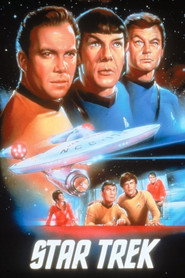
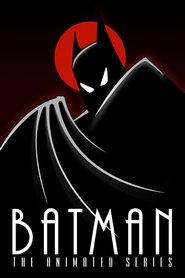
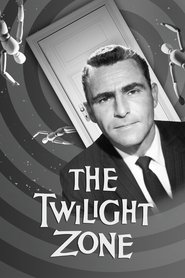
William Windom (September 28, 1923 – August 16, 2012) was an American actor. He is perhaps best known for his work on television, including several episodes of The Twilight Zone; playing the character of Glen Morley, a congressman from Minnesota like his own great-grandfather and namesake in The Farmer's Daughter; the character of John Monroe on the sitcom My World and Welcome to It, for which he won an Emmy Award for Best Actor in a Comedy Series; as Commodore Matt Decker, commander of the doomed U.S.S. Constellation in the Star Trek episode "The Doomsday Machine"; the character Randy Lane in the Emmy-nominated Night Gallery episode "They're Tearing Down Tim Riley's Bar" and perhaps that of the most common recurring character on the Emmy-winning series Murder, She Wrote, Seth Hazlitt.
Photos
Profile gallery

Career at a glance
William Windom across film and television
200credited titles
79movie credits
121TV credits
1962–2014screen career span
Recognition
Awards received
Primetime Emmy Award for Outstanding Lead Actor in a Comedy SeriesFor My World and Welcome to It
This list may not represent every nomination or win.
Notable work
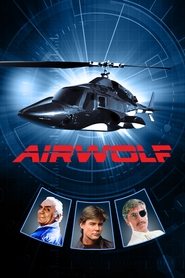
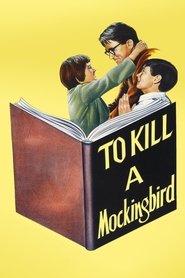

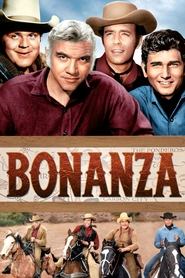
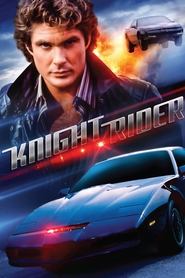
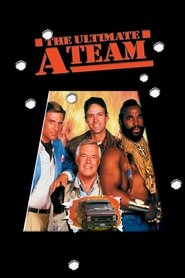
Recent movies and TV shows


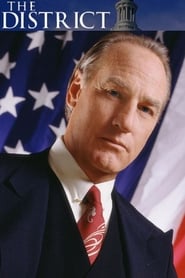
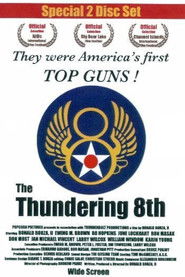


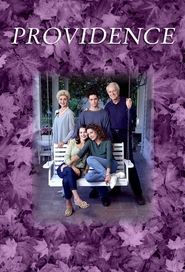

From FMM Reviews
Reviews and guides you may enjoy

TV guide
Galileo (1998): Series Review, Plot, Cast and Episodes
This Galileo (1998) review examines the documentary series through its premise, storytelling, cast, performances, themes, production choices and audience response.
Read the full guide 
TV guide
The Lord of the Rings: The Rings of Power (2022): Series Review, Plot, Cast and Episodes
This The Lord of the Rings: The Rings of Power (2022) review examines the action & adventure and drama series through its premise, storytelling, cast, performances, themes, production choic…
Read the full guide 
TV guide
Taboo (2022): Series Review, Plot, Cast and Episodes
This Taboo (2022) review examines the series through its premise, storytelling, cast, performances, themes, production choices and audience response.
Read the full guide