


Full actor profile
Clive Merrison
Acting
103 known credits
0.7 popularity score 81 years
Biography
About Clive Merrison
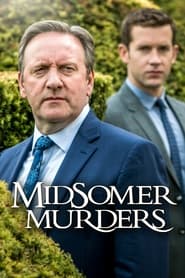
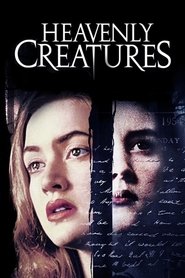
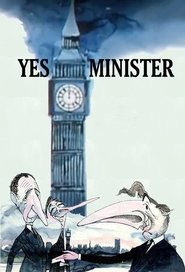
Clive Merrison (Clive Robert Merrison) – Welsh actor of film, television, stage and radio, born 15 September 1945 in Tenby, Pembrokeshire, Wales. Trained at Rose Bruford College and was a member of the Royal Shakespeare Company. He is best known for voicing Sherlock Holmes in all 64 episodes of the BBC Radio 4 dramatizations (1989–1998) and the 16 episodes of The Further Adventures of Sherlock Holmes (2002–2010), and for playing the Headmaster in The History Boys (2006) on stage and screen. His most notable film roles include Major Lanyev in Firefox (1982), the Forger in Escape to Victory (1981), Dr. Henry Hulme in Heavenly Creatures (1994), Fenelon-Barnes in The English Patient (1996), Desmond Fairchild in An Awfully Big Adventure (1995), and Mr. Gilbert in The Guernsey Literary and Potato Peel Pie Society (2018). On television he appeared in Doctor Who (1967), Yes, Prime Minister (1986), Reilly: Ace of Spies (1983), Stalin (1992), Peep Show (2010), and Midsomer Murders.
Photos
Profile gallery

Career at a glance
Clive Merrison across film and television
99credited titles
48movie credits
51TV credits
1967–2018screen career span
Notable work





Recent movies and TV shows




From FMM Reviews
Reviews and guides you may enjoy

TV guide
Köln 50667 (2013): Series Review, Plot, Cast and Episodes
This Köln 50667 (2013) review examines the drama and soap series through its premise, storytelling, cast, performances, themes, production choices and audience response.
Read the full guide 
TV guide
Crayon Shin-chan (1992): Series Review, Plot, Cast and Episodes
This Crayon Shin-chan (1992) review examines the animation and comedy series through its premise, storytelling, cast, performances, themes, production choices and audience response.
Read the full guide 
TV guide
NOVA (1974): Series Review, Plot, Cast and Episodes
This NOVA (1974) review examines the documentary series through its premise, storytelling, cast, performances, themes, production choices and audience response.
Read the full guide