
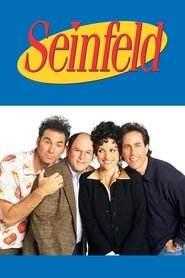

Full actor profile
Michael McDonald
Acting
94 known credits
1.6 popularity score 61 years
Biography
About Michael McDonald
Michael James McDonald (born December 31, 1964) is an American stand-up comedian, actor, screenwriter, and director. He is best known for starring in the sketch comedy show MADtv. He was also a writer, director, and producer of the ABC TV series Cougar Town.
His best known movie roles are as Little John in Halloween Kills, Ronovan Scargle in The Happy time Murders, Jonathan in Ghostbusters (2016), Bryce Crean in The Boss, Patrick in Spy, Julian in The Heat, and small roles in each Austin Powers movie.
He graduated from USC with a degree in Business and became a loan officer at a bank in Los Angeles. A friend took him to see a sketch comedy/improv show at L.A.'s famous Groundling Theater, and everything changed for him. He quit his job as a banker, enrolled in the Groundling's Improv Program, and became a member of the troupe from 1992 to 1997.
His first professional writing and acting jobs came from Concorde Pictures, Roger Corman's infamous low-budget movie studio. Starting as an extra, he landed small roles in many B-movies of the early 1990s, and he gradually earned bigger roles as well as eventually writing and directing some films.
He joined MADtv during the fourth season (1998) and remained in the cast until the end of the thirteenth and penultimate season, having become the longest-tenured cast member. After 10 years on MADtv, he left the cast, but was a contributing writer and director for the show's final season. He was the last member of the cast to be hired in the 1990s, and the last cast member to have been born in the 1960s, and is the only cast member to have a "best of" clip show special dedicated to him.
Photos
Profile gallery


Career at a glance
Michael McDonald across film and television
89credited titles
48movie credits
41TV credits
1990–2025screen career span
Notable work


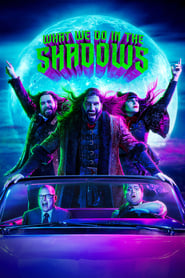

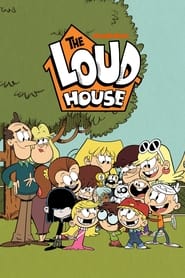

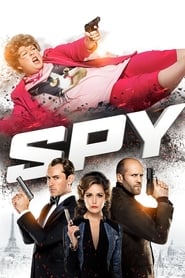


Recent movies and TV shows





From FMM Reviews
Reviews and guides you may enjoy

TV guide
Squirt TV (1994): Series Review, Plot, Cast and Episodes
This Squirt TV (1994) review examines the talk and comedy series through its premise, storytelling, cast, performances, themes, production choices and audience response.
Read the full guide 
TV guide
Galileo (1998): Series Review, Plot, Cast and Episodes
This Galileo (1998) review examines the documentary series through its premise, storytelling, cast, performances, themes, production choices and audience response.
Read the full guide 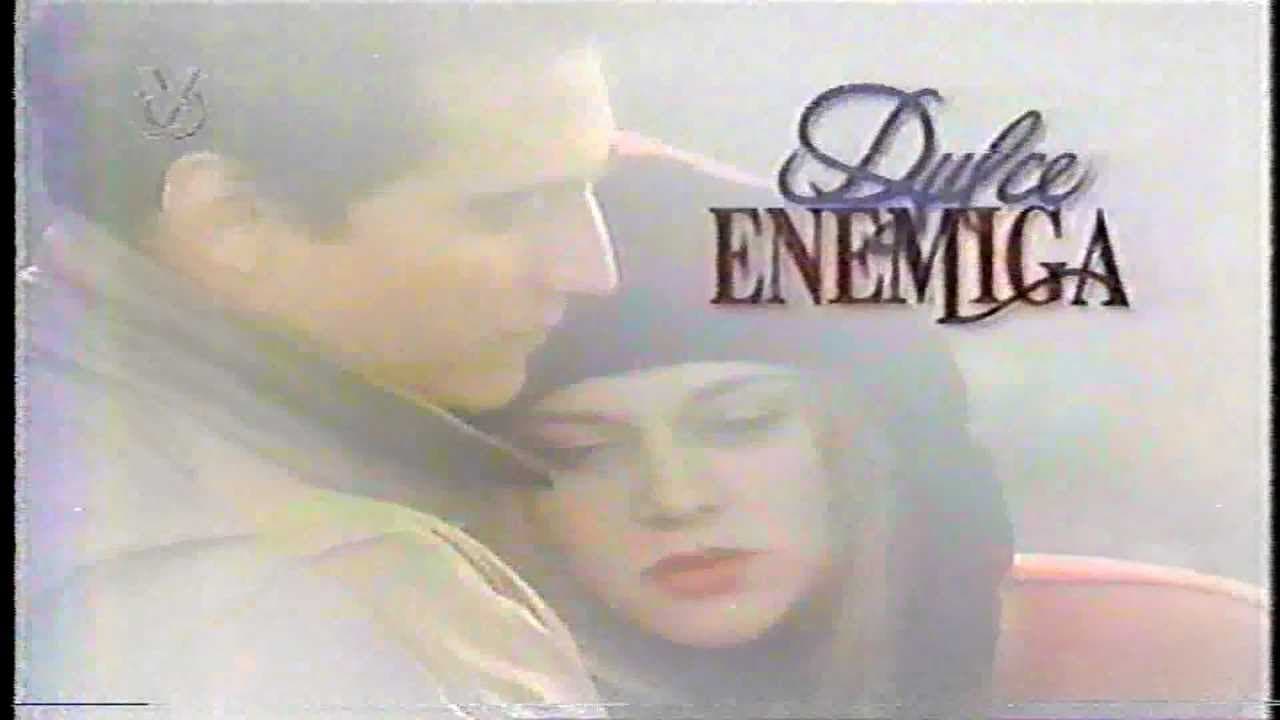
TV guide
Dulce enemiga (1995): Series Review, Plot, Cast and Episodes
This Dulce enemiga (1995) review examines the soap and drama series through its premise, storytelling, cast, performances, themes, production choices and audience response.
Read the full guide