

Full actor profile
John Wells
Acting
44 known credits
0.4 popularity score 61 years
Biography
About John Wells
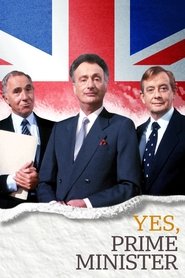
Wells started in cabaret at Oxford and began his television career as a writer on That Was The Week That Was, the 1960s weekly satire show that launched the careers of David Frost and Millicent Martin, among others, and also appeared in the television programme Not So Much a Programme, More a Way of Life, as well as in The Secret Policeman's Other Ball. Besides making cameo appearances in films such as Casino Royale (1967) and Rentadick (1972), television dramas like Casanova (1987), an episode of Lovejoy (1991) and comedy shows like Yes Minister, he also wrote television scripts and screenplays, such as Princess Caraboo (1994).
In 1971, with John Fortune, he published the comedy classic A Melon for Ecstasy, about a man who consummates his love affair with a tree. Wells played the headmaster of Thursgood's Preparatory School in Tinker, Tailor, Soldier, Spy (1979).
Wells was one of the original contributors to the satirical magazine Private Eye and contributed to Mrs Wilson's Diary, the long-running spoof journal of the wife of Prime Minister Harold Wilson.
From 1979 he repeated that success with Dear Bill, a series of letters (co-written with Richard Ingrams) supposedly sent by Denis Thatcher, husband of Prime Minister Margaret Thatcher, to Bill Deedes. Wells developed the feature into a stage farce, Anyone for Denis?, first performed in 1981, in which he played Denis Thatcher. Co-starring Angela Thorne as Mrs. Thatcher, the play was a major West End hit, toured the UK and was adapted for television.He co-wrote Alice in Wonderland, a musical adaptation of Lewis Carrol’s novel with Carl Davis, which debuted at The Lyric Theatre in the West End, London.[3]
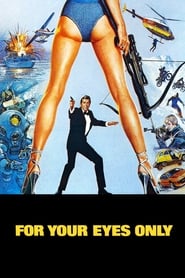
Wells also played Denis Thatcher in the Bond movie For Your Eyes Only (1981). In 1991, he and Thorne again played the Thatchers in Dunrulin, a one-off TV sitcom-like satirical look at the couple in retirement.[4] He also voiced Arnold the Elephant, Edward the Monkey and Bert in the children's TV series Charlie Chalk.
In 1988, Leonard Bernstein started working on a new version of his much-revised operetta Candide. The author of the original book, Hugh Wheeler, had died, and John Wells was asked to help revise the text.[5] The first production of this "final version", by Scottish Opera, was followed by a "final revised version" in 1989, performances of which have been released on CD and DVD. An insert in the DVD ("Bernstein and Voltaire"), written by Wells, explained what Bernstein had wanted in this final revised version.
Wells authored Rude Words in 1991, a history of the London Library, for the institution's 150th anniversary.
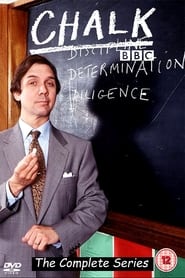
In 1997, Wells appeared in the BBC situation comedy Chalk as ineffectual headmaster Richard Nixon.[6] His fellow cast members do not recall him being ill on set, but he was too unwell to participate in the second series.[7]
Wells' last book, House of Lords, was a best-seller and published a year before his death in 1998. The book is a historical and humorous study of the British peerage system.
Career at a glance
John Wells across film and television
44credited titles
24movie credits
20TV credits
1965–2023screen career span
Notable work




Recent movies and TV shows





From FMM Reviews
Reviews and guides you may enjoy
TV guide
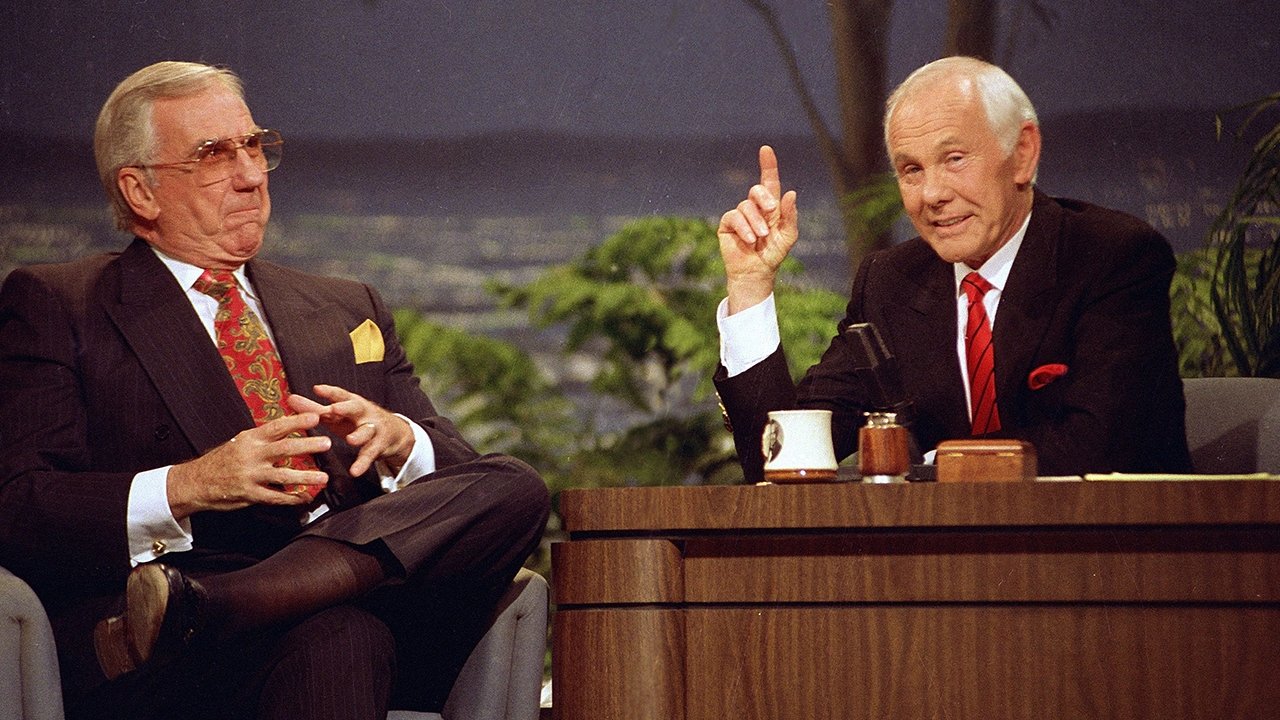
The Tonight Show Starring Johnny Carson (1962): Series Review, Plot, Cast and Episodes
This The Tonight Show Starring Johnny Carson (1962) review examines the talk series through its premise, storytelling, cast, performances, themes, production choices and audience response.
Read the full guide 
TV guide
Kangxi Coming (2004): Series Review, Plot, Cast and Episodes
This Kangxi Coming (2004) review examines the talk and reality series through its premise, storytelling, cast, performances, themes, production choices and audience response.
Read the full guide 
TV guide
Crayon Shin-chan (1992): Series Review, Plot, Cast and Episodes
This Crayon Shin-chan (1992) review examines the animation and comedy series through its premise, storytelling, cast, performances, themes, production choices and audience response.
Read the full guide