
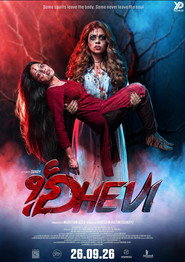
 New

Full actor profile
Ismail Rasheed
Acting
10 known credits
0.4 popularity score 50 years
Biography
About Ismail Rasheed
Ismail Rasheed is a Maldivian film actor and director. He began his career in 1996 with a comedic role from Maldives Airport Authority’s Tele Drama Zimmaa. He received the Best Comedian Award form the Tele Drama Awards for his role in Zimmaa. In the following year, he received the Best Comedian Award and the Best Actor Award for his role in Tele Drama Thafaathu, in which he played double role. He also received the Best Actor Award for the Tele Drama Leyattakai. His first Feature Film was Edhi Edhi Hoadheemey of K.M.R. Production. He played a funny yet heartfelt role in the film. His second Feature Film was Heylaa, from which he won the Best Supporting Actor Award. His rich nature of acting was also seen from the films like, Moomin Fuad’s Loodhifa and Hussain Munavvar’s Sazaa. Ismail Rasheed is a son of Maldivian poet, writer and the founder of the K.M.R. Production, Mohamed Rasheed. Ismail Rasheed worked at the Maldives Airports Company Ltd, but he left his job to give more time for his Acting career.
Photos
Profile gallery

Career at a glance
Ismail Rasheed across film and television
10credited titles
10movie credits
0TV credits
2006–2026screen career span
Recent movies and TV shows



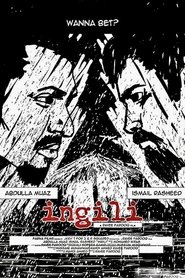



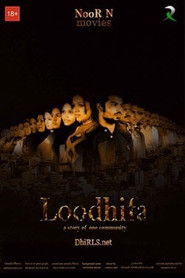

From FMM Reviews
Reviews and guides you may enjoy

TV guide
Rote Rosen (2006): Series Review, Plot, Cast and Episodes
This Rote Rosen (2006) review examines the soap and drama series through its premise, storytelling, cast, performances, themes, production choices and audience response.
Read the full guide 
TV guide
Cosmic Disclosure (2015): Series Review, Plot, Cast and Episodes
This Cosmic Disclosure (2015) review examines the documentary and sci-fi & fantasy series through its premise, storytelling, cast, performances, themes, production choices and audience resp…
Read the full guide 
TV guide
EastEnders (1985): Series Review, Plot, Cast and Episodes
This EastEnders (1985) review examines the soap and drama series through its premise, storytelling, cast, performances, themes, production choices and audience response.
Read the full guide