

Full actor profile
David Perlov
Directing
2 known credits
0.6 popularity score 73 years
Biography
About David Perlov
David Perlov (Hebrew: דוד פרלוב) (born 9 June 1930 in Rio de Janeiro, Brazil; died December 13, 2003, in Tel Aviv, Israel) was an Israeli documentary filmmaker.
David Perlov was born in Rio de Janeiro and grew up in Belo Horizonte. At the age of 10, he went to live with his grandfather in São Paulo. At the age of 22, he moved to Paris and worked as a projectionist for the newly established Cinematheque. In 1957, he made his first short film, Tante chinoise (Old Aunt China), based on drawings of a 12-year-old girl of the French provincial bourgeoisie of 1890 which he found in the cellar of the Paris house in which he was living. In 1958, Perlov immigrated to Israel, settling with his wife Mira on Kibbutz Bror Hayil. The couple had two daughters, the twins Yael Perlov and Naomi Perlov.
In 1963, Perlov made a 33-minute documentary In Jerusalem (בירושלים, Be-Yerushalayim). This film came to be one of the most important films of Israeli documentary cinema. Although Perlov made two feature films by 1972 (The Pill and 42:6), his film proposals were repeatedly rejected by the Israel Broadcasting Authority and Israeli film board, which found his work too lyrical. In May of the year 1973, Perlov bought a 16 mm camera and filmed his everyday life alongside dramatic events that took place in Israel at the time. He continued this work for 10 years, sometimes with almost no economic resources, until Channel 4 of British television expressed an interest in the project in 1983. Produced in association with Israel's largest television and film studio, Herzliya Studios (Ulpanei Herzliya), the result was Perlov's work Diary (יומן). From 1973 Perlov taught in the department of film and television at Tel Aviv University.
Photos
Profile gallery


Career at a glance
David Perlov across film and television
2credited titles
2movie credits
0TV credits
1983–2013screen career span
Recognition
Awards received
This list may not represent every nomination or win.
Recent movies and TV shows

From FMM Reviews
Reviews and guides you may enjoy
TV guide
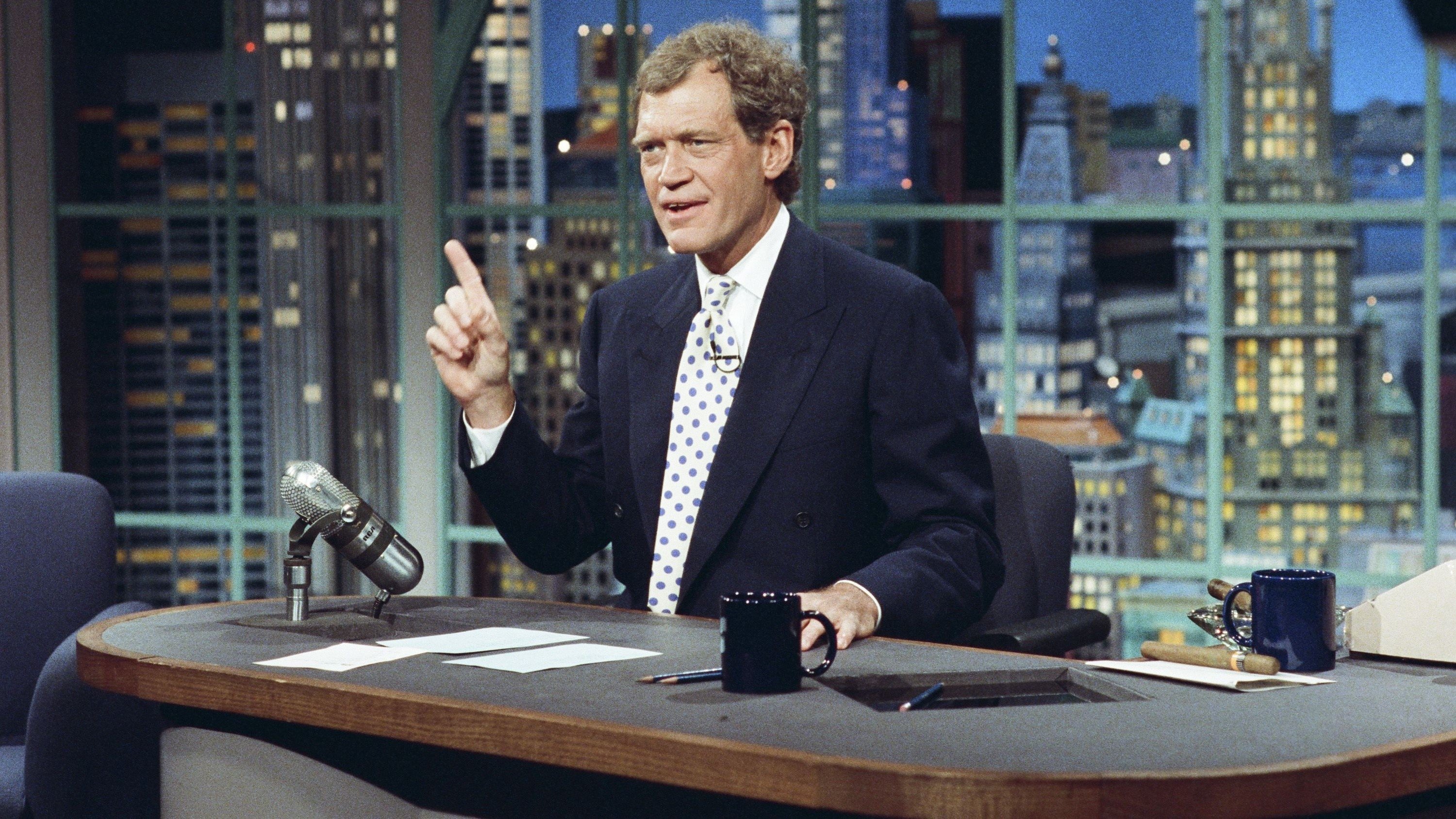
Late Show with David Letterman (1993): Series Review, Plot, Cast and Episodes
This Late Show with David Letterman (1993) review examines the talk and comedy series through its premise, storytelling, cast, performances, themes, production choices and audience response.
Read the full guide 
TV guide
Kamen Rider (1971): Series Review, Plot, Cast and Episodes
This Kamen Rider (1971) review examines the action & adventure and sci-fi & fantasy series through its premise, storytelling, cast, performances, themes, production choices and audience res…
Read the full guide 
TV guide
Doraemon (2005): Series Review, Plot, Cast and Episodes
This Doraemon (2005) review examines the action & adventure and animation series through its premise, storytelling, cast, performances, themes, production choices and audience response.
Read the full guide