


Full actor profile
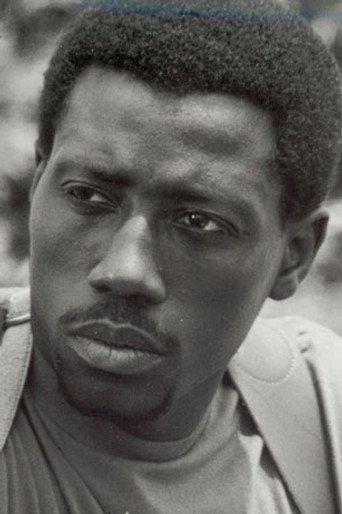
Wesley Snipes
Acting
89 known credits
3.1 popularity score 64 years
Biography
About Wesley Snipes
Wesley Trent Snipes (born July 31, 1962) is an American actor and martial artist. Snipes has made films in a variety of genres, such as numerous thrillers, dramatic feature films, and comedies, though he is best known for his action films. He was nominated for the Independent Spirit Award for Best Supporting Male for his work in The Waterdance (1992) and won the Volpi Cup for Best Actor for his performance in the film One Night Stand (1997).
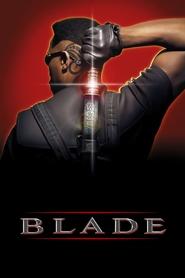
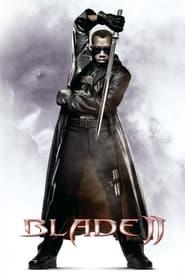
Born in Florida, Snipes had notable parts in the comedy film Major League (1989), the drama Mo' Better Blues (1990), and the crime drama King of New York (1990) before gaining prominence by playing a drug lord in the crime drama New Jack City (1991). He subsequently received more attention for the drama film Jungle Fever (1991), the sports comedy White Men Can't Jump (1992), and the action film Passenger 57 (1992). He has since starred in various genres, such as the comedy film To Wong Foo, Thanks for Everything! Julie Newmar (1995), the thriller The Fan (1996), and the drama film Down in the Delta (1998), but mostly established himself as an action star, portraying both heroes and villains in films such as Demolition Man (1993), Rising Sun (1993), Money Train (1995), and U.S. Marshals (1998). Also in 1998, he was cast as Eric Brooks/BBlade in the superhero film Blade, based on the Marvel Comics superhero of the same name, a role he went on to reprise in Blade II (2002), Blade: Trinity (2004), and Deadpool & Wolverine (2024).
Snipes had smaller roles during the 2000s and moved to direct-to-video action films before returning to the theatrical release with films such as Brooklyn's Finest (2009) and The Expendables 3 (2014). His television work includes multiple episodes in the drama series H.E.L.P. (1990), the action thriller crime drama series The Player (2015), and the drama limited series True Story (2021), as well as the romantic drama film Disappearing Acts (2000).
He formed a production company, Amen-Ra Films, in 1991, and a subsidiary, Black Dot Media, to develop projects for film and television. Snipes has been training in martial arts since the age of 12, earning a 5thdan black belt in Shotokan karate and a 2nddan black belt in Hapkido. He is credited with helping popularise martial arts in Hollywood and bringing martial arts to mainstream audiences, as well as contributing to the representation of Black actors in action roles, breaking stereotypes. In 2017, Snipes made his debut as a novelist with the urban fantasy supernatural adventure Talon of God.
Description above from the Wikipedia article Wesley Snipes, licensed under CC-BY-SA, full list of contributors on Wikipedia.
Photos
Profile gallery


Career at a glance
Wesley Snipes across film and television
89credited titles
69movie credits
20TV credits
1986–2024screen career span
Recognition
Awards received
Volpi Cup for Best ActorFor One Night Stand
This list may not represent every nomination or win.
Notable work




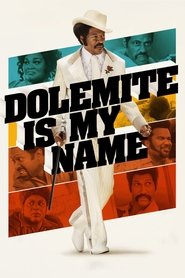

Recent movies and TV shows






From FMM Reviews
Reviews and guides you may enjoy

TV guide
Sister-in-Law Is at Home! (2015): Series Review, Plot, Cast and Episodes
This Sister-in-Law Is at Home! (2015) review examines the comedy and drama series through its premise, storytelling, cast, performances, themes, production choices and audience response.
Read the full guide 
Movie guide
Spider-Man: Brand New Day (2026): Movie Review, Plot, Cast and Verdict
This Spider-Man: Brand New Day (2026) review examines the science fiction and action film through its premise, storytelling, cast, performances, themes, production choices and audience resp…
Read the full guide 
TV guide
NCIS (2003): Series Review, Plot, Cast and Episodes
This NCIS (2003) review examines the crime and drama series through its premise, storytelling, cast, performances, themes, production choices and audience response.
Read the full guide