


Full actor profile
Geraldine Brooks
Acting
67 known credits
1.0 popularity score 51 years
Biography
About Geraldine Brooks
Geraldine Brooks (born Geraldine Stroock; October 29, 1925 – June 19, 1977) was an American actress whose three-decade career on stage as well as in films and on television was noted with nominations for an Emmy in 1962 and a Tony in 1970. She was married to author Budd Schulberg.
Brooks was born in New York City, the daughter of Lawrie Brooks, an American big-band singer, and Gloria, a public relations officer. She attended Bethlehem College, a secondary school for girls, and the University of Sydney.
Brooks began her acting career in the early 1950s, appearing in off-Broadway productions and television shows such as "Studio One" and "Kraft Television Theatre." In 1962, she made her Broadway debut in the play "The Night of the Iguana" by Tennessee Williams, opposite Bette Davis and Margaret Leighton. For her performance, she was nominated for a Tony Award for Best Featured Actress in a Play.
Brooks continued to appear on Broadway throughout the 1960s and 1970s, starring in productions such as "The Subject Was Roses" (1964), "The Diary of Anne Frank" (1965), and "The Effect of Gamma Rays on Man-in-the-Moon Marigolds" (1970). She also appeared in a number of films, including "The Killing of a Chinese Bookie" (1976) and "The Turning Point" (1977).
Brooks was also a prolific television actress, appearing in numerous series and made-for-TV movies throughout her career. Some of her notable TV credits include "The Twilight Zone" (1961), "Alfred Hitchcock Presents" (1962), "The Fugitive" (1965), "Columbo" (1971), and "Medical Center" (1972-1976).
Brooks died of cancer in 1977 at the age of 51. She is remembered as a talented and versatile actress who excelled on both stage and screen.
Photos
Profile gallery



Career at a glance
Geraldine Brooks across film and television
61credited titles
15movie credits
46TV credits
1947–1976screen career span
Notable work
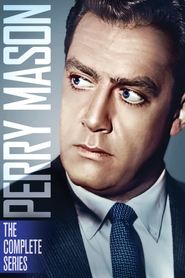






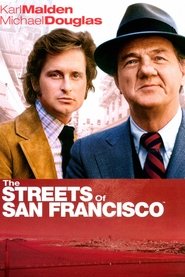
Recent movies and TV shows



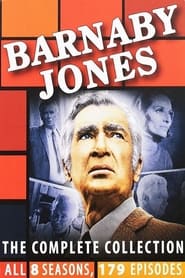


From FMM Reviews
Reviews and guides you may enjoy
Movie guide
It (2017): Movie Review, Plot, Cast and Verdict
This It (2017) review examines the horror and thriller film through its premise, storytelling, cast, performances, themes, production choices and audience response.
Read the full guide Movie guide
Taboo (2024): Cast, Story, Release Details
A complete guide to Taboo, including its story, cast, release details, ratings, and where to watch or download it.
Read the full guide TV guide
Binnelanders (2005): Series Review, Plot, Cast and Episodes
This Binnelanders (2005) review examines the soap series through its premise, storytelling, cast, performances, themes, production choices and audience response.
Read the full guide