


Full actor profile
Joe Dinicol
Acting
46 known credits
1.1 popularity score 42 years
Biography
About Joe Dinicol
Joe Dinicol (born December 22, 1983) is a Canadian actor. Dinicol was born in Stratford, Ontario, the son of acting coach and actor Keith Dinicol. He started his career as a child actor at the Stratford Shakespeare Festival, and has since appeared on national Canadian television series Train 48 and Rideau Hall. On stage, he has appeared in Antony and Cleopatra, Richard III, Waiting for Godot, and The Merry Wives of Windsor at the Stratford Festival, and The Needfire at the Royal Alexandra Theatre in Toronto. He also performed in the 1996 recording of Waiting for Godot for the Canadian Broadcasting Corporation. His most recent performance was as the second male lead in Paul Gross's Passchendaele released in 2008.
Description above from the Wikipedia article Joe Dinicol, licensed under CC-BY-SA, full list of contributors on Wikipedia.
Description above from the Wikipedia article Joe Dinicol, licensed under CC-BY-SA, full list of contributors on Wikipedia.
Photos
Profile gallery


Career at a glance
Joe Dinicol across film and television
46credited titles
26movie credits
20TV credits
1997–2025screen career span
Notable work


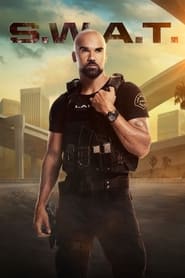

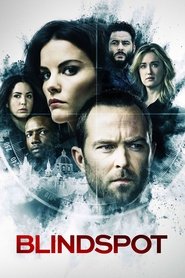
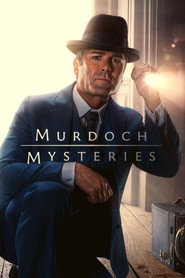

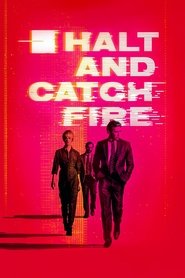

Recent movies and TV shows





From FMM Reviews
Reviews and guides you may enjoy

Movie guide
Spider-Man: Brand New Day (2026): Movie Review, Plot, Cast and Verdict
This Spider-Man: Brand New Day (2026) review examines the science fiction and action film through its premise, storytelling, cast, performances, themes, production choices and audience resp…
Read the full guide 
TV guide
Squirt TV (1994): Series Review, Plot, Cast and Episodes
This Squirt TV (1994) review examines the talk and comedy series through its premise, storytelling, cast, performances, themes, production choices and audience response.
Read the full guide 
TV guide
It (1990): Series Review, Plot, Cast and Episodes
This It (1990) review examines the mystery and sci-fi & fantasy series through its premise, storytelling, cast, performances, themes, production choices and audience response.
Read the full guide