


Full actor profile
Rebekah Johnson
Acting
7 known credits
0.6 popularity score 50 years
Biography
About Rebekah Johnson
From Wikipedia, the free encyclopedia.
Rebekah Johnson, also credited as Rebekah Jordan or Rebekah, is an American singer-songwriter and actress from Ohio. She wrote the song "Beautiful Disaster" for Kelly Clarkson who loved the song so much she put it on both her first two albums. In 1998, she released "Remember to Breathe" on Elektra Records, the radio singles were "Sin So Well" and "Hey Genius". Rebekah sought and was eventually granted a release from the label due to creative differences. She signed with J Records briefly, but did not complete or release an album. In 2005, Rebekah, under the name Rebekah Jordan, financed, produced and released her new CD independently through her own Tea Party Records. The 6 song EP, titled "The Trouble With Fiction" includes 5 original songs and what is becoming a signature interpretation of the Stevie Nicks classic, "Dreams". Rebekah enlisted the help of musicians that played with her on stage to play for the recording. Butch on drums and percussion (from The Eels, Rufus Wainwright, Tracy Chapman), John Ballinger on guitar and clarinet (from Rufus Wainwright) and Jessica Catron on cello. In 2006, along with Butch, John Ballinger and Jessica Catron, Rebekah formed a new band, "Dreaming Ferns". Rebekah has had important roles in two films, Barry Levinson's Liberty Heights and in the 2003 gay romantic drama Latter Days where she sings two themes: Another Beautiful Day and Tuesday 3:00am.
Description above from the Wikipedia article Rebekah Johnson, licensed under CC-BY-SA, full list of contributors on Wikipedia
Photos
Profile gallery

Career at a glance
Rebekah Johnson across film and television
7credited titles
5movie credits
2TV credits
1995–2005screen career span
Notable work
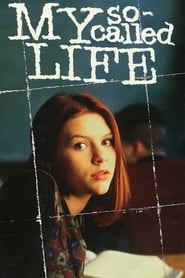
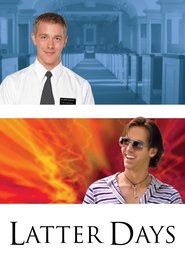

Recent movies and TV shows


From FMM Reviews
Reviews and guides you may enjoy
TV guide
Newsnight (1980): Series Review, Plot, Cast and Episodes
This Newsnight (1980) review examines the news series through its premise, storytelling, cast, performances, themes, production choices and audience response.
Read the full guide TV guide
DAS! (1991): Series Review, Plot, Cast and Episodes
This DAS! (1991) review examines the talk and news series through its premise, storytelling, cast, performances, themes, production choices and audience response.
Read the full guide Movie guide
It (2017): Movie Review, Plot, Cast and Verdict
This It (2017) review examines the horror and thriller film through its premise, storytelling, cast, performances, themes, production choices and audience response.
Read the full guide