

Full actor profile
Kim Novak
Acting
68 known credits
1.6 popularity score 93 years
Biography
About Kim Novak
Marilyn Pauline Novak (born February 13, 1933), known professionally as Kim Novak, is an American retired film and television actress.
She began her career in 1954 after signing with Columbia Pictures. There, she became a successful actress, starring in a string of movies, among them the critically acclaimed Picnic (1955). She later starred in such popular successes as The Man with the Golden Arm (1955) and Pal Joey (1957). However, she is perhaps best known today for her "dual role" as both Judy Barton and Madeleine Elster in Alfred Hitchcock's classic thriller Vertigo (1958). Novak was popular in box office popularity polls, and she starred opposite several top leading men of the era, including James Stewart, William Holden, Frank Sinatra, Tyrone Power, and Kirk Douglas.
Although still young, her career declined in the early 1960s, and after several years in a series of lackluster films, she withdrew from acting in 1966. She has only sporadically returned since. She later returned to the screen in The Mirror Crack'd (1980), and had a regular role on the prime time series Falcon Crest (1986–87). After a disappointing experience during the filming of Liebestraum (1991), she has permanently retired from acting, stating she has no desire to return.
Description above from the Wikipedia article Kim Novak, licensed under CC-BY-SA, full list of contributors on Wikipedia.
Photos
Profile gallery


Career at a glance
Kim Novak across film and television
68credited titles
58movie credits
10TV credits
1954–2026screen career span
Recognition
Awards received
This list may not represent every nomination or win.
Notable work






Recent movies and TV shows

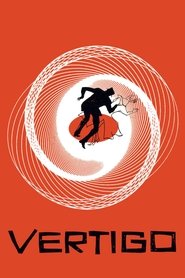
Kim Novak's Vertigo
Proust Palimpsesto: Pastiches e Misturas
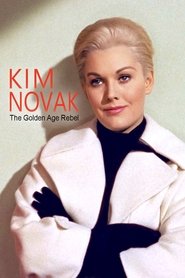
Kim Novak: Hollywood's Golden Age Rebel

Sammy by Sammy: My Tale of the 60's

Rat Pack

I Am Alfred Hitchcock

Sammy Davis, Jr.: I've Gotta Be Me
Made in Hollywood: Hitchcocks Blondinen

Kim Novak: Live from the TCM Classic Film Festival

Stardust Hollywood - Sternenstaub und Götterwelten
From FMM Reviews
Reviews and guides you may enjoy

TV guide
Sound Check (2021): Series Review, Plot, Cast and Episodes
This Sound Check (2021) review examines the talk and reality series through its premise, storytelling, cast, performances, themes, production choices and audience response.
Read the full guide 
Movie guide
Taboo (2017): Cast, Story, Seasons and Episodes
A complete guide to Taboo, including its story, cast, release details, seasons and episodes, ratings, and where to watch or download it.
Read the full guide 
TV guide
Among Friends (1998): Series Review, Plot, Cast and Episodes
This Among Friends (1998) review examines the drama and family series through its premise, storytelling, cast, performances, themes, production choices and audience response.
Read the full guide