
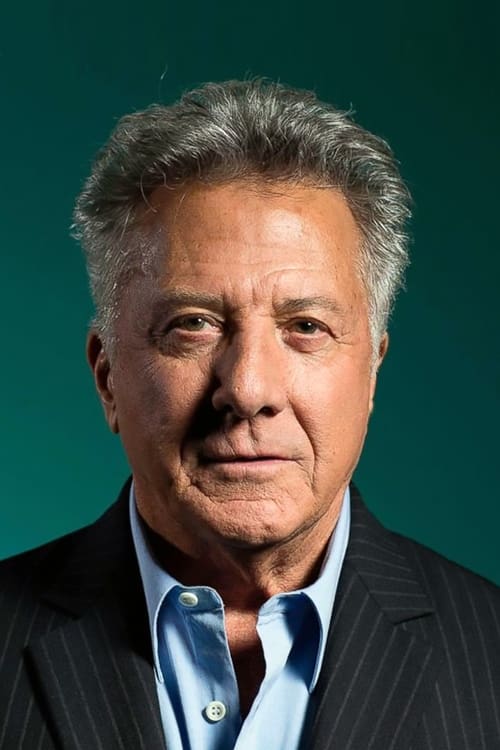
Full actor profile
Dustin Hoffman
Acting
208 known credits
4.8 popularity score 89 years
Biography
About Dustin Hoffman
Dustin Lee Hoffman (born August 8, 1937) is an American actor and filmmaker. He is known for his versatile portrayals of antiheroes and emotionally vulnerable characters. Actor Robert De Niro described him as "an actor with the everyman's face who embodied the heartbreakingly human". At a young age Hoffman knew he wanted to study in the arts, and entered into the Los Angeles Conservatory of Music; later he decided to go into acting, for which he trained at the Pasadena Playhouse in Los Angeles. His first theatrical performance was 1961's A Cook for Mr. General as Ridzinski. During that time he appeared in several guest roles on television shows like Naked City and The Defenders. He then starred in the 1966 off-Broadway play Eh? where his performance garnered him both a Theatre World Award and Drama Desk Award.
His breakthrough role was as Benjamin Braddock in Mike Nichols' critically acclaimed and iconic film The Graduate (1967), for which he received his first Academy Award nomination. His next role was "Ratso" Rizzo in John Schlesinger's Midnight Cowboy (1969), in which he acted alongside Jon Voight; they both received Oscar nominations, and the film went on to win the Academy Award for Best Picture. He gained success in the 1970s playing roles that shaped the craft of his acting, crossing genres effortlessly in the western Little Big Man (1970), the prison drama Papillon (1973), playing a controversial and groundbreaking comedian in Bob Fosse's Lenny (1975), Marathon Man alongside Laurence Olivier (1976), and as Carl Bernstein investigating the Watergate scandal in All the President's Men (1976). In 1979, Hoffman starred in the family drama Kramer vs. Kramer alongside Meryl Streep. They both received Academy Awards for their performances.
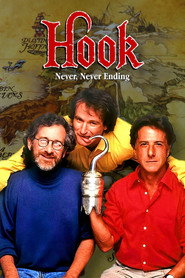
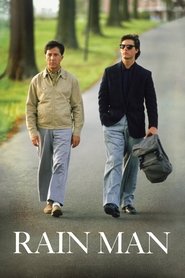
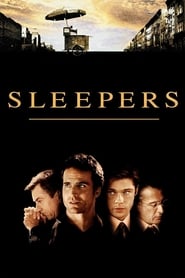
After a three-year break from films, Hoffman returned in Sydney Pollack's show business comedy Tootsie (1982) about a struggling actor who pretends to be a woman in order to get an acting role. He returned to stage acting with a 1984 performance as Willy Loman in Death of a Salesman and reprised the role a year later in a television film earning a Primetime Emmy Award. In 1987 he starred alongside Warren Beatty in Elaine May's comedy Ishtar. He won his second Academy Award for Best Actor for his portrayal of the autistic savant Ray Babbitt in the 1988 film Rain Man, co-starring Tom Cruise. In 1989, he was nominated for a Tony Award and a Drama Desk Award for playing Shylock in a stage performance of The Merchant of Venice. In the 1990s, he made appearances in such films as Warren Beatty's action comedy adaptation Dick Tracy (1990), Steven Spielberg's Hook (1991) as Captain Hook, medical disaster Outbreak (1995), legal crime drama Sleepers (1996), and the satirical black comedy Wag the Dog (1997) alongside Robert De Niro.
Photos
Profile gallery


Career at a glance
Dustin Hoffman across film and television
199credited titles
154movie credits
45TV credits
1966–2026screen career span
Recognition
Awards received
Academy Award for Best ActorFor Rain Man
Primetime Emmy Award for Outstanding Lead Actor in a Miniseries or a MovieFor Death of a Salesman
This list may not represent every nomination or win.
Upcoming projects
Notable work



Recent movies and TV shows



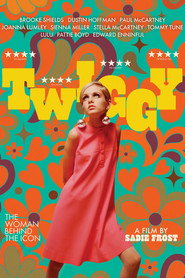

From FMM Reviews
Reviews and guides you may enjoy

TV guide
Goede Tijden, Slechte Tijden (1990): Series Review, Plot, Cast and Episodes
This Goede Tijden, Slechte Tijden (1990) review examines the soap series through its premise, storytelling, cast, performances, themes, production choices and audience response.
Read the full guide 
TV guide
FROM (2022): Series Review, Plot, Cast and Episodes
This FROM (2022) review examines the mystery and drama series through its premise, storytelling, cast, performances, themes, production choices and audience response.
Read the full guide 
Movie guide
The Traveller (2024): Movie Review, Plot, Cast and Verdict
This The Traveller (2024) review examines the action and fantasy film through its premise, storytelling, cast, performances, themes, production choices and audience response.
Read the full guide