


Full actor profile
Kurt Moll
Acting
17 known credits
0.3 popularity score 78 years
Biography
About Kurt Moll
Kurt Moll (11 April 1938 – 5 March 2017) was a German operatic bass singer who enjoyed an international career and was widely recorded.
His voice was notable for its range, a true basso profondo, including full, resonant low and very-low notes with relaxed vibrato; also for its unusual combination of extreme volume-capacity and a purring, contrabassoon-like timbre. Although he had a powerful voice and stamina adequate for the most demanding parts, he was not a thunderer, and never performed as Wagner's vocally athletic, bellowing bassos Hagen, Hans Sachs, nor Wotan. His interpretations tended to be restrained and intelligent, even in comedic roles like Osmin in Mozart's Die Entführung aus dem Serail and Baron Ochs in Der Rosenkavalier.
Moll was born in Buir, near Cologne, Germany. As a child, he played the cello and hoped to become a great cellist. (He also had ambitions to be an industrialist/businessman.) He sang in the school choir whose conductor encouraged him to concentrate on singing. He studied voice at the Musikhochschule Köln. He joined the Cologne Opera at age 20 and remained a member of the ensemble until 1961. He then sang for three years at the Mainz Opera and five years at the Wuppertal Opera. In 1969, he accepted an engagement with the Hamburg State Opera, and then performed in major opera houses of Europe.
He made his Bayreuth Festival debut in 1968 as the nightwatchman in Die Meistersinger von Nürnberg, and sang there for several years as Fafner in Der Ring des Nibelungen, Marke in Tristan und Isolde and Pogner in Die Meistersinger.
He made his American debut with the San Francisco Opera as Gurnemanz in Wagner's Parsifal in 1974, a role he reprised with the company in 2000. He made his debut at the Metropolitan Opera on the opening night of the 1977–78 season, appearing as the Landgrave in Wagner's Tannhäuser. He also sang there as Rocco in Beethoven's Fidelio and Sparafucile in Verdi's Rigoletto.
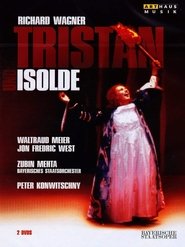
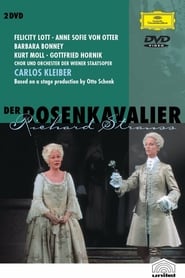
He made many recordings of opera, sacred music, Charpentier's Te deum H.146, Magnificat H.74 in 1990 with Neville Mariner and lieder. Moll can be heard as Ochs in seven complete recordings of Der Rosenkavalier, as Sarastro in six recordings of Mozart's Die Zauberflöte, as Marke in six sets of Wagner's Tristan und Isolde, and as the Archangel Raphael in three recordings of Haydn's Die Schöpfung. His recording for the Orfeo label of Schubert's philosophical "Lieder für Bass" set a new standard for these songs; he also recorded Schubert's song-cycle Winterreise, and an album of dramatic/heroic ballads by Carl Loewe. Besides German, Italian, and Latin, he recorded a few roles in Russian, including Pimen in Boris Godunov and the Old Convict in Lady Macbeth of the Mtsensk District by Shostakovich. He can be seen in many roles on commercial video, including Sarastro (twice), Osmin, the Commendatore, Bartolo, Hunding in Wagner's Die Walküre (three times), Fafner in Das Rheingold and Siegfried, in Gurnemanz in Parsifal, and Ochs (three times). ...
Source: Article "Kurt Moll" from Wikipedia in English, licensed under CC-BY-SA 3.0.
Photos
Profile gallery

Career at a glance
Kurt Moll across film and television
17credited titles
16movie credits
1TV credits
1971–2009screen career span
Recognition
Awards received
This list may not represent every nomination or win.
Recent movies and TV shows




From FMM Reviews
Reviews and guides you may enjoy

TV guide
Dil Kya Kare (2024): Series Review, Plot, Cast and Episodes
This Dil Kya Kare (2024) review examines the drama series through its premise, storytelling, cast, performances, themes, production choices and audience response.
Read the full guide 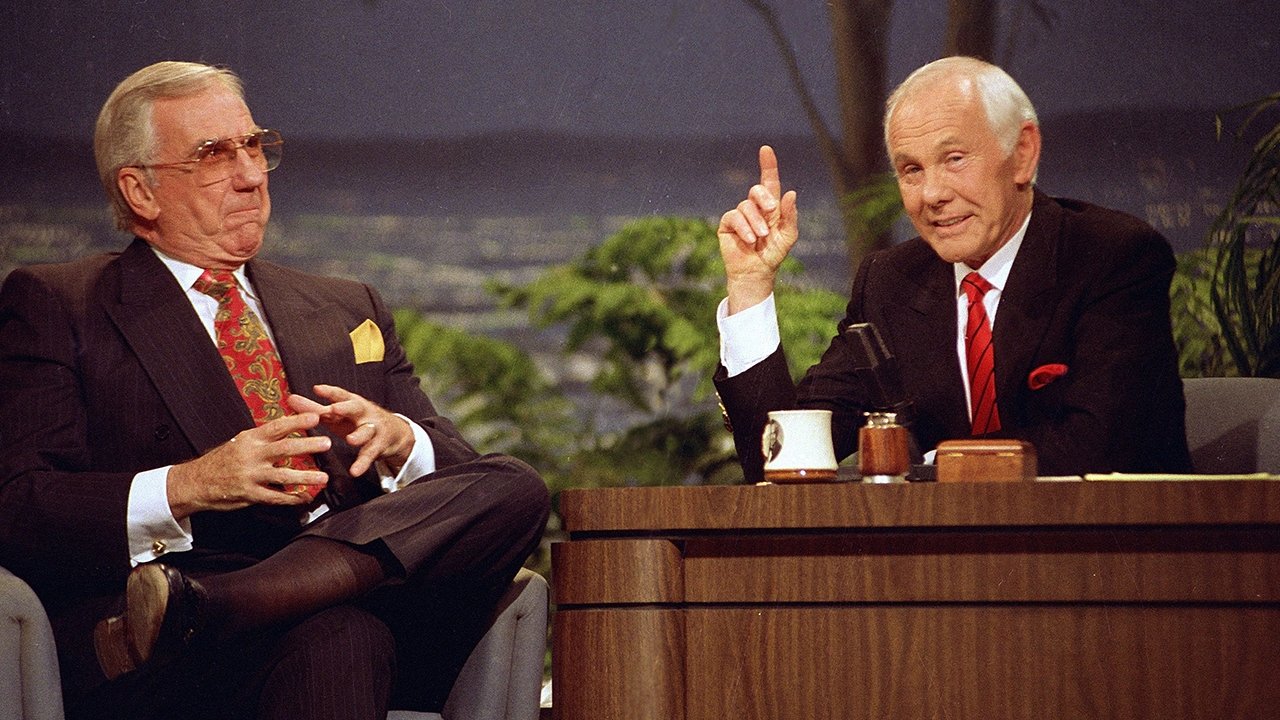
TV guide
The Tonight Show Starring Johnny Carson (1962): Series Review, Plot, Cast and Episodes
This The Tonight Show Starring Johnny Carson (1962) review examines the talk series through its premise, storytelling, cast, performances, themes, production choices and audience response.
Read the full guide 
TV guide
Squirt TV (1994): Series Review, Plot, Cast and Episodes
This Squirt TV (1994) review examines the talk and comedy series through its premise, storytelling, cast, performances, themes, production choices and audience response.
Read the full guide