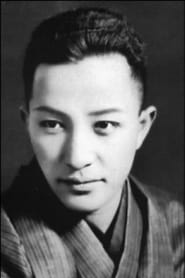
 Tsumasaburō BandōKamio
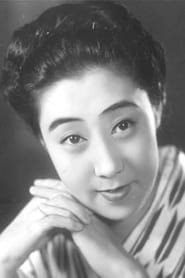 Isuzu Yamada
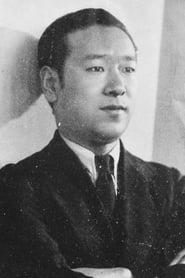 Masao Mishima
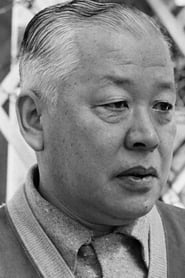 Eijirō Yanagi
 Keiko Tsushima
 Mitsuo Nagata
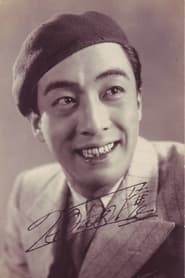 Joji Kaieda
Why it may be worth watching
- Devil’s Statue combines Drama and History elements in one feature.
- The principal cast includes Tsumasaburō Bandō, Isuzu Yamada, Masao Mishima.
 FMM.

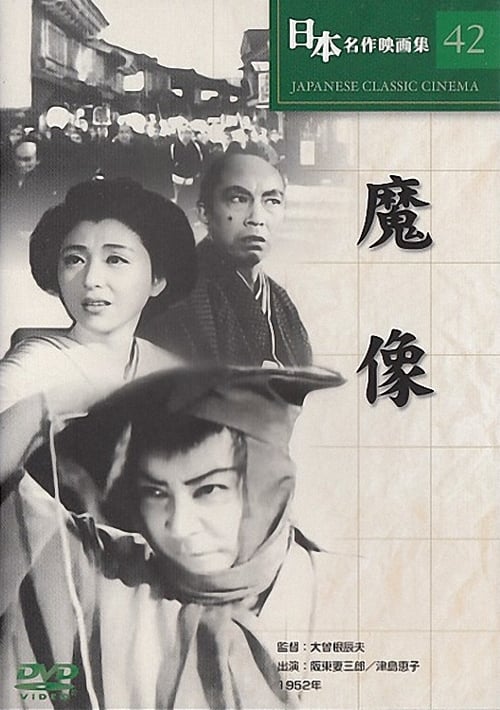
Movie
A gallant swordsman takes on the forces of evil with the help of his trusty friends.
More detailsPeople
Viewing guide
Best suited to viewers looking for Drama, History.
A regional age classification is not currently listed. Ratings vary by country; use this as a quick screening note rather than a complete parental guide.
Viewing guidance uses the title details shown on this page; classifications may differ by region.
Title stills—not previews of individual download files.
Images load as you reach this section.
Community
The second remake of a film first produced in 1930 with another actor and filmed again in 1936 with Tsumasaburo Bando, the star of this version, the film has the 'feel' and style of samurai films made in the late 1920s and early 1930s, the golden age of period films. The story line - that of a man at odds with society - was popular at the time. The film's premise is basically one of class conflict: of the four classes in a rigidly stratified society between 1600 and 1868, the merchant was traditionally placed below the samurai, farmer, and artisan; but …
The second remake of a film first produced in 1930 with another actor and filmed again in 1936 with Tsumasaburo Bando, the star of this version, the film has the 'feel' and style of samurai films made in the late 1920s and early 1930s, the golden age of period films. The story line - that of a man at odds with society - was popular at the time. The film's premise is basically one of class conflict: of the four classes in a rigidly stratified society between 1600 and 1868, the merchant was traditionally placed below the samurai, farmer, and artisan; but when, from the eighteenth century onward, the money economy enabled this class to control the economy of Japan, the non-productive samurai class made every effort to put the merchant class in its place. "Kyonosuke Kamio, a samurai, incurs the wrath and contempt of his peers for having married the daughter of a wealthy merchant and for genuinely loving her. But Kamio is also estranged from his peers in the shogun's treasury for their crooked manipulation and speculations which fatten their purses but cause hardship among the common people. Lashed into action by the taunts of his cohorts, Kamio finally bolts the group, vows vengeance on them, and throws in his lot with Ibara, a sympathetic chivalrous commoner. "Kamio's manic, mocking laugh in the faces of his tormentors echoes the laughter of many similar characters in the films of that period, particularly as they were played by Bando, who made a career playing the type that Toshiro Mifune would later play in the Kurosawa films. "In his double roles, Bando skillfully plays the vengeful Kamio and the humorous, relaxed Ibara. Isuzu Yamada, the perfect period actress, plays Ibara's tough but playful wife.
Frank T. Motofuji©
Log in to write a review.
TV download guide
Movie download guide
TV download guide
































 Paul Chu Kong
 Aniesh
 Amin Baahmed
 Johnny Flynn
 Scarlet Rose Stallone
 Agnez Mo
 Kathleen Robertson
 John Knoll
 Jeong Hyang
 Russell Brand
 Tom Holland
 Sterling Holloway